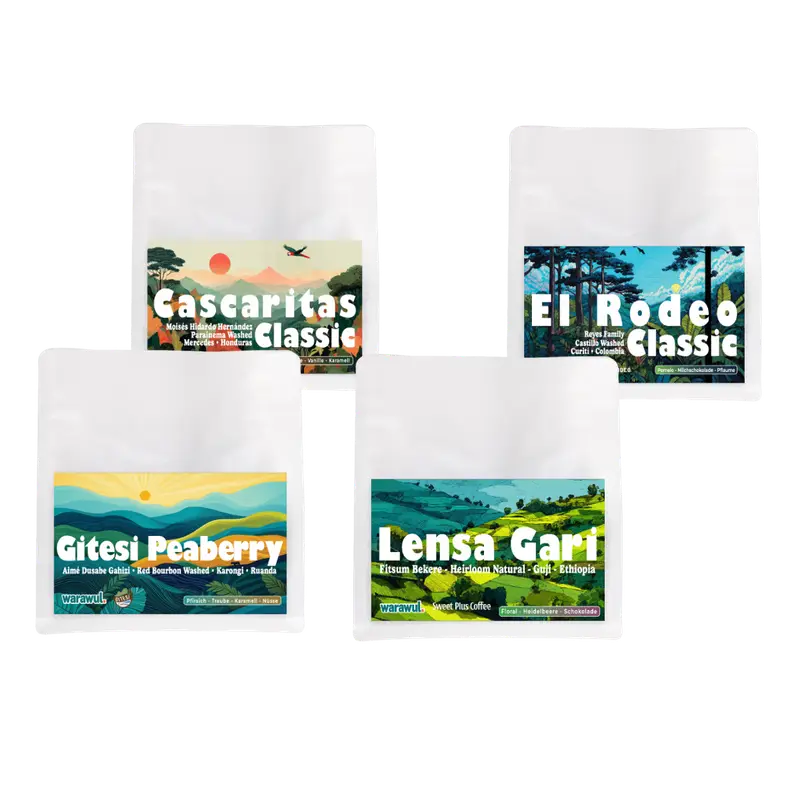
Specialty Coffee Probierset
The Warawul Specialty Coffee Tasting Set contains four 250 g bags of whole-bean coffee: Gitesi Peaberry from Rwanda, Lensa Gari from Ethiopia, Cascaritas Classic from Honduras, and El Rodeo Classic from Colombia.
The set brings together single farm and single origin coffees for tasting at home, discovering different origins, or giving as a gift to coffee lovers.


€40.00
€40.00
/kg,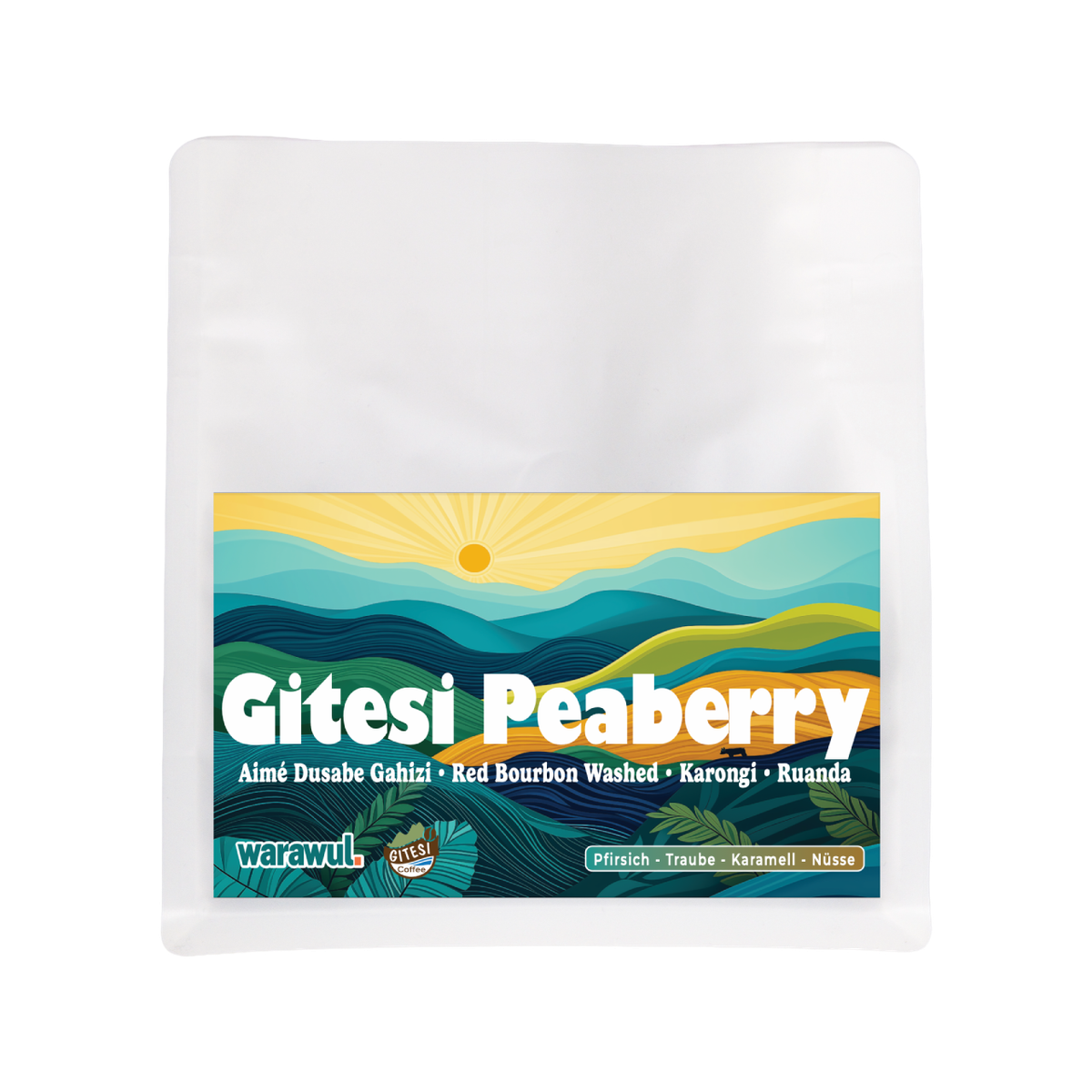
Gitesi Peaberry
Gitesi Peaberry is a washed Arabica coffee of the Red Bourbon variety from Rwanda. Aimé Gahizi and the team at Gitesi Coffee process the coffee from smallholder farms in the highlands above Lake Kivu in the Karongi district.
In the cup, we taste stone fruit, caramel, grapes, and nuts. Its sweet, delicate profile suits pour over, filter coffee, AeroPress and French press.
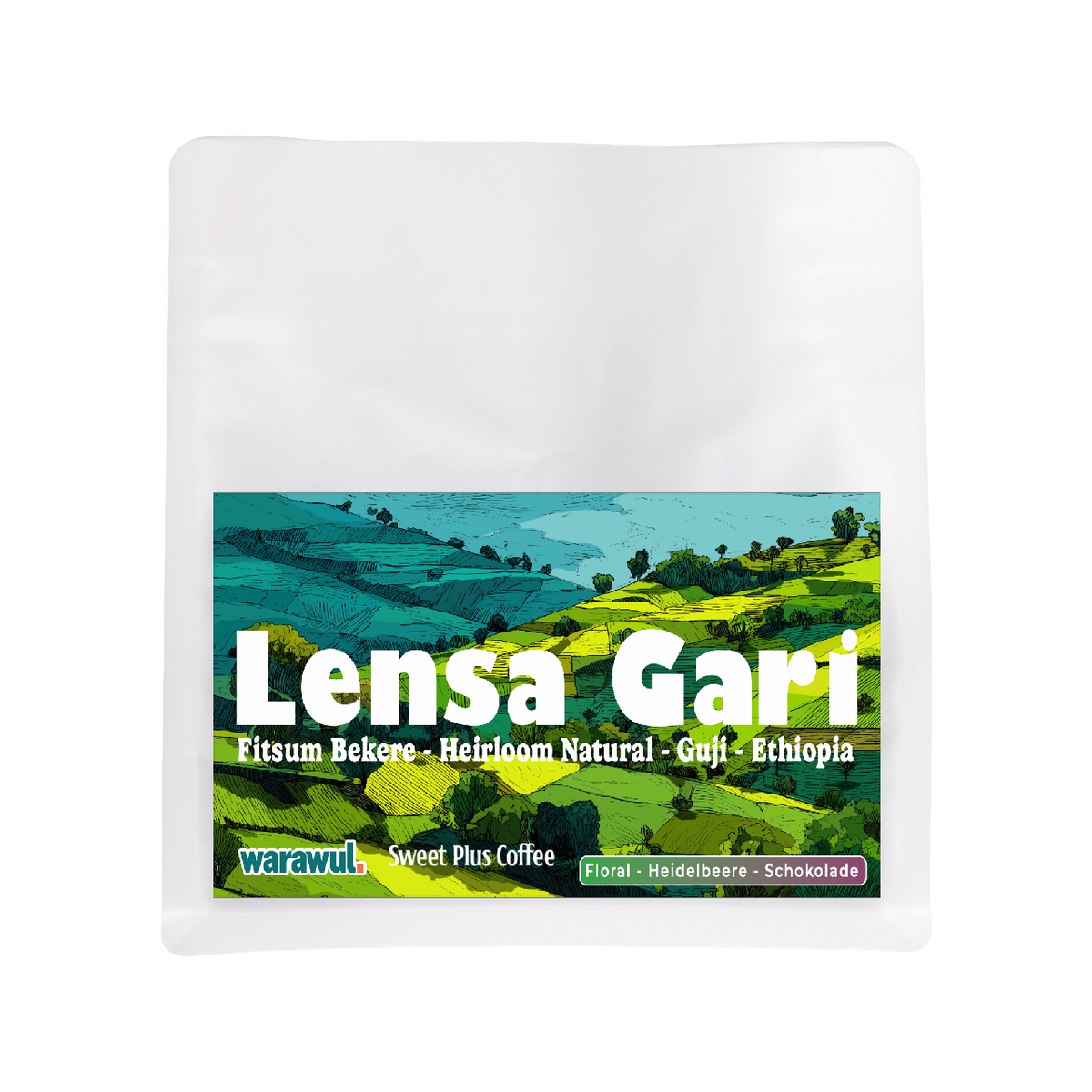
Lensa Gari
Lensa Gari is a natural-processed Guji Heirloom coffee from the Lensa Gari washing station in Ethiopia’s Guji region. Fitsum Bekere of Sweet Plus Coffee operates the station, where smallholder farmers from the Hambella district deliver coffee grown at 2,100 meters above sea level.
In the cup, we taste floral notes, berries, and chocolate. We recommend it for the Hario V60, AeroPress and a lightly roasted espresso.
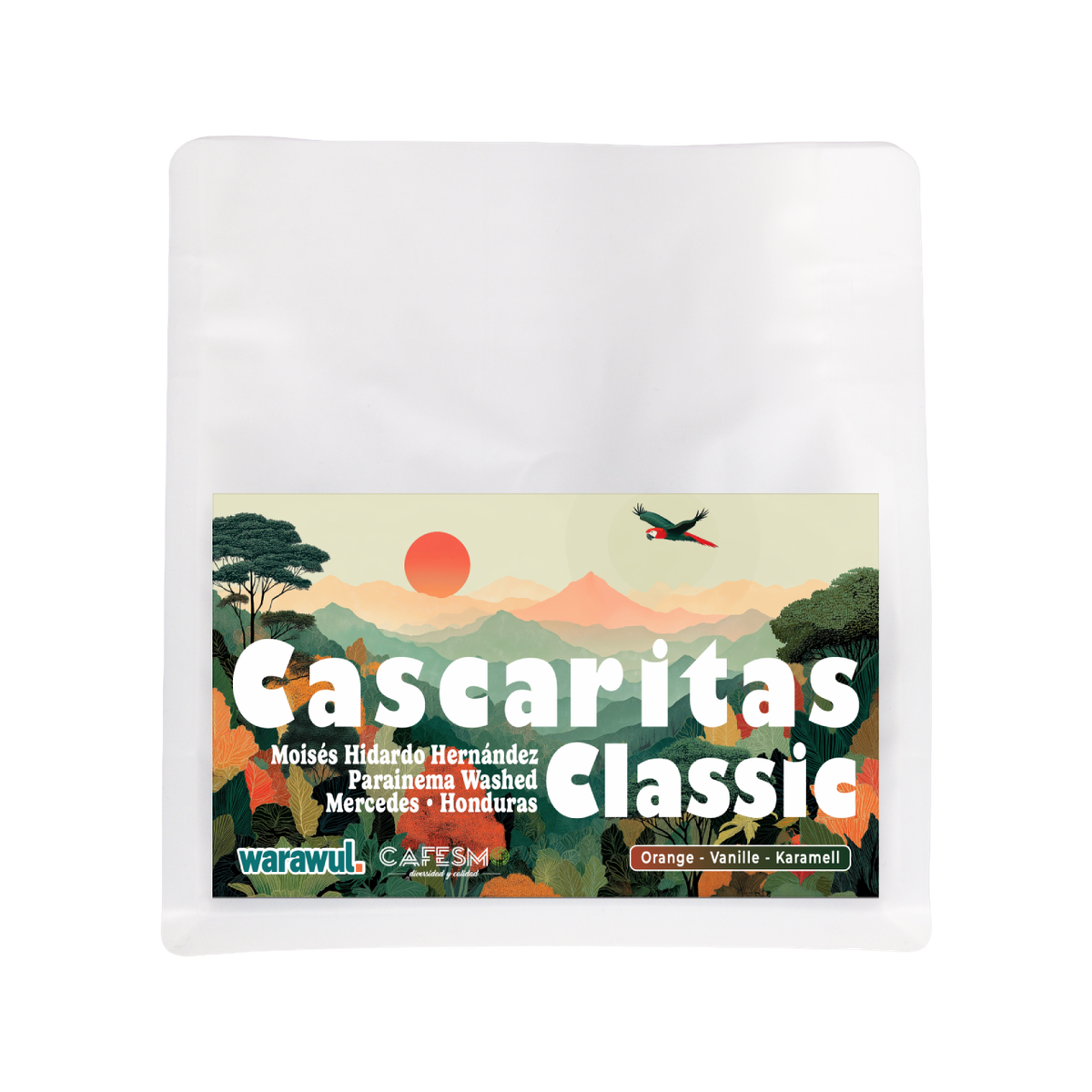
Cascaritas Classic
Cascaritas Classic is an Arabica coffee of the Parainema variety, grown on the Cascaritas farm in Honduras by Hidardo Hernández and his family. It is processed using the washed method and roasted to a medium level.
In the cup, we taste orange, vanilla and caramel. We recommend it for filter coffee, French Press and a moka pot.
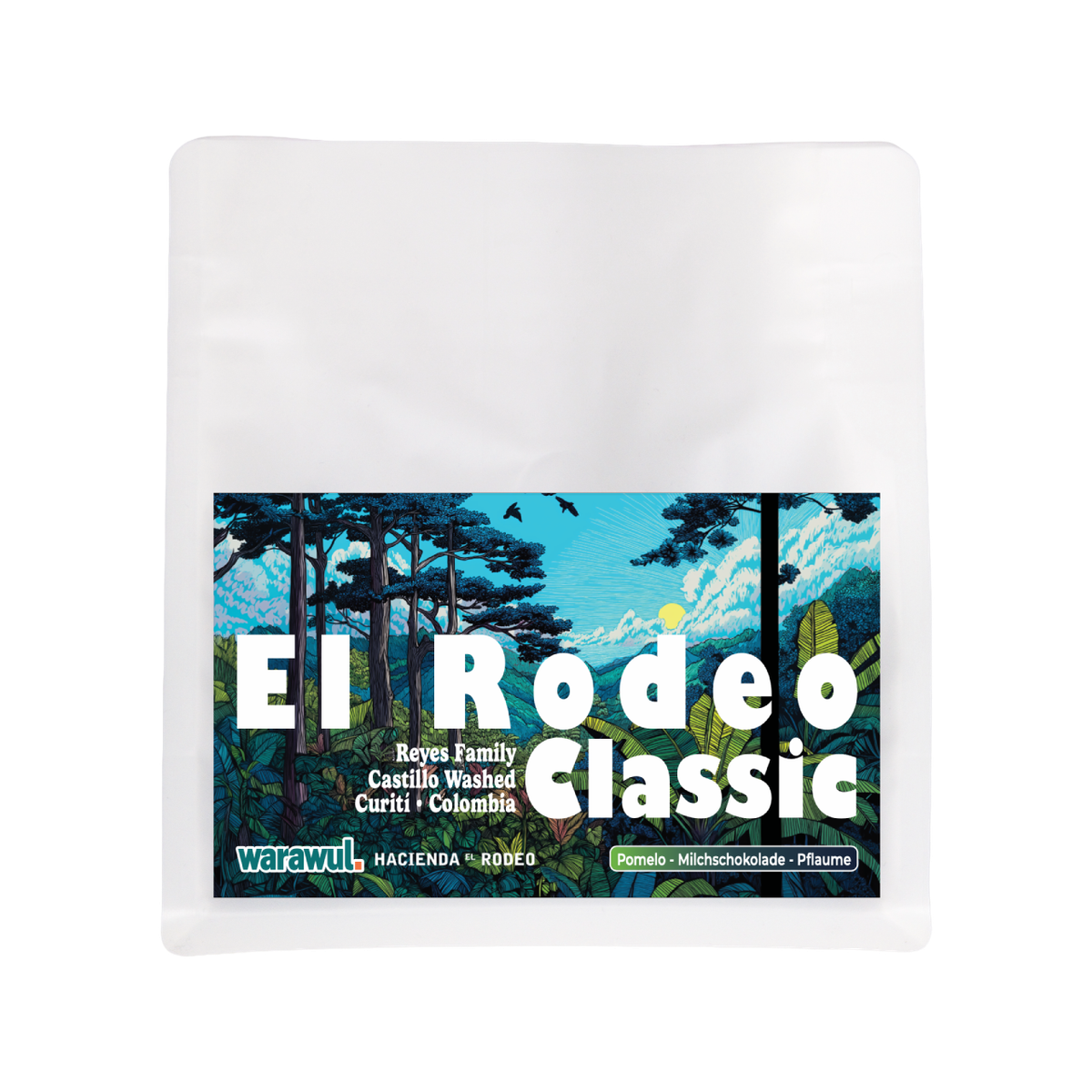
El Rodeo Classic
El Rodeo Classic is a washed Castillo coffee from the Reyes family at Hacienda El Rodeo in Curití, Santander, Colombia. We roast it as an Omni roast to bring out its natural sweetness and gentle acidity.
In the cup, we taste milk chocolate, ripe plum, and pomelo. We recommend it for Pour Over, moka pot, French press, AeroPress, and filter coffee machines.
The producers
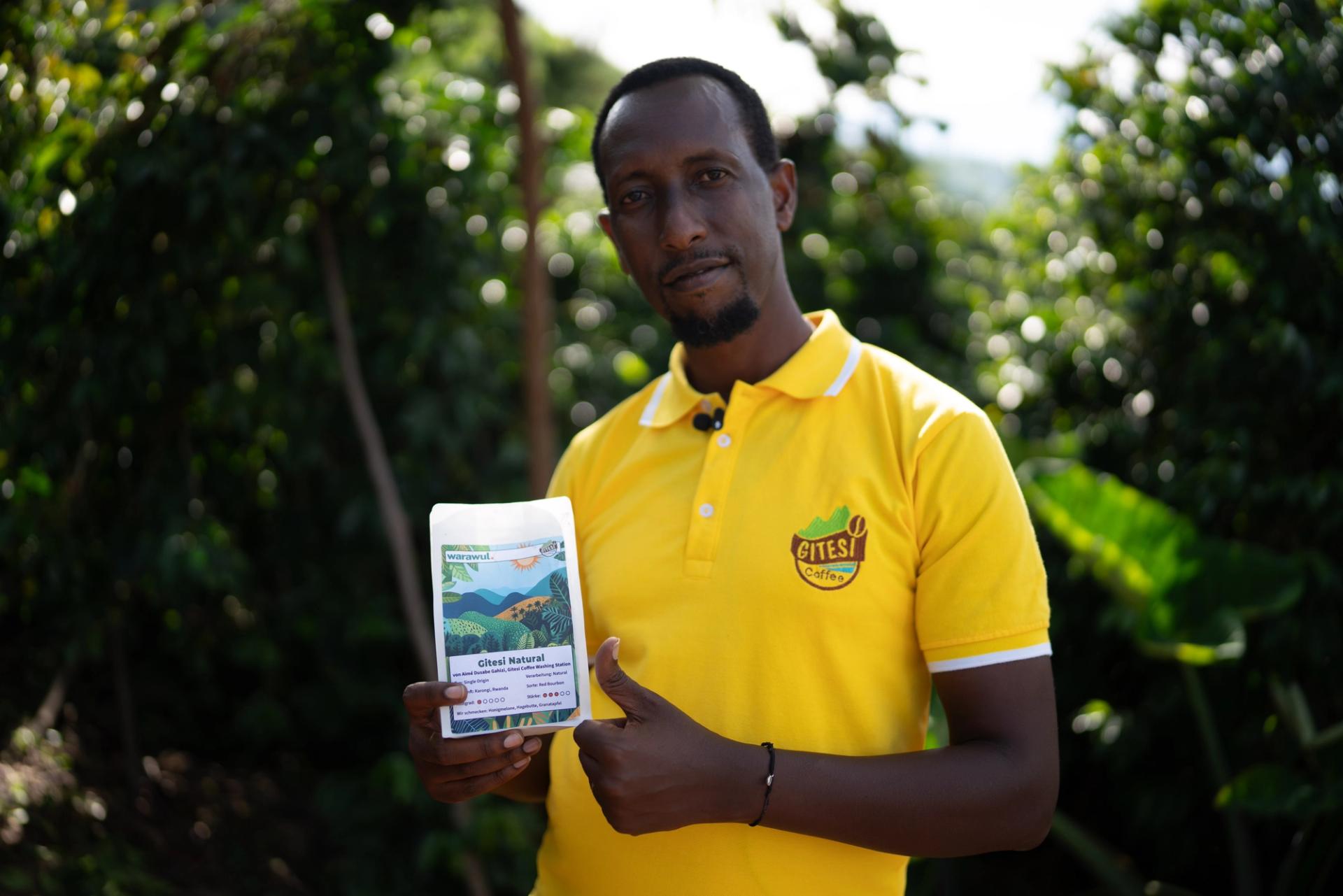
Aimé Gahizi, Gitesi Coffee
Aimé is the managing director of Gitesi Coffee in Rwanda’s Karongi District. In 2011, he joined his father, Alexis Gahizi, to support operations at the Gitesi Washing Station. Today, Aimé leads the company.
His mission is clear: to improve coffee quality while strengthening the livelihoods of farmers in his community. Together with his team, he has introduced new processing methods that result in highly regarded specialty coffees.
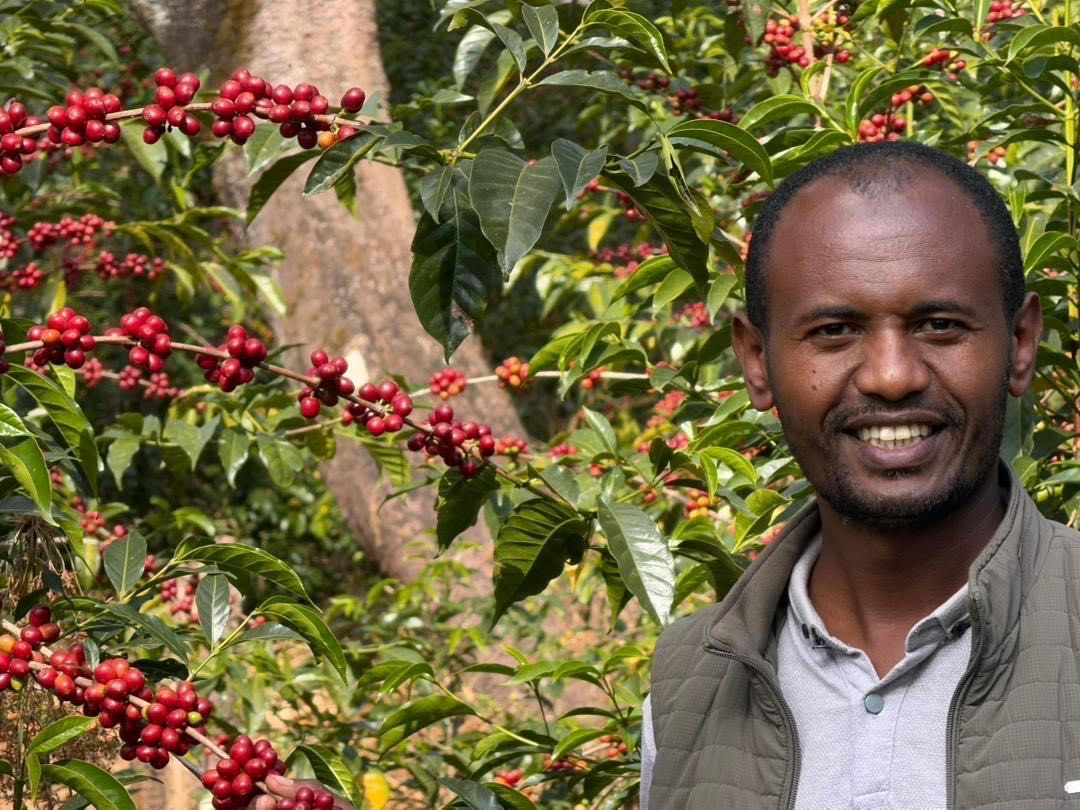
Fitsum Bekere, Sweet Plus Coffee
Fitsum Bekere is an experienced coffee expert. He understands the Ethiopian coffee value chain from many angles — from advising international organizations to hands-on work in production, processing, and export.
Together with his wife Lensa Gari, he founded Sweet Plus Coffee. Their mission is clear: high quality, full traceability, sustainable farming, and direct relationships between producers and international roasters.
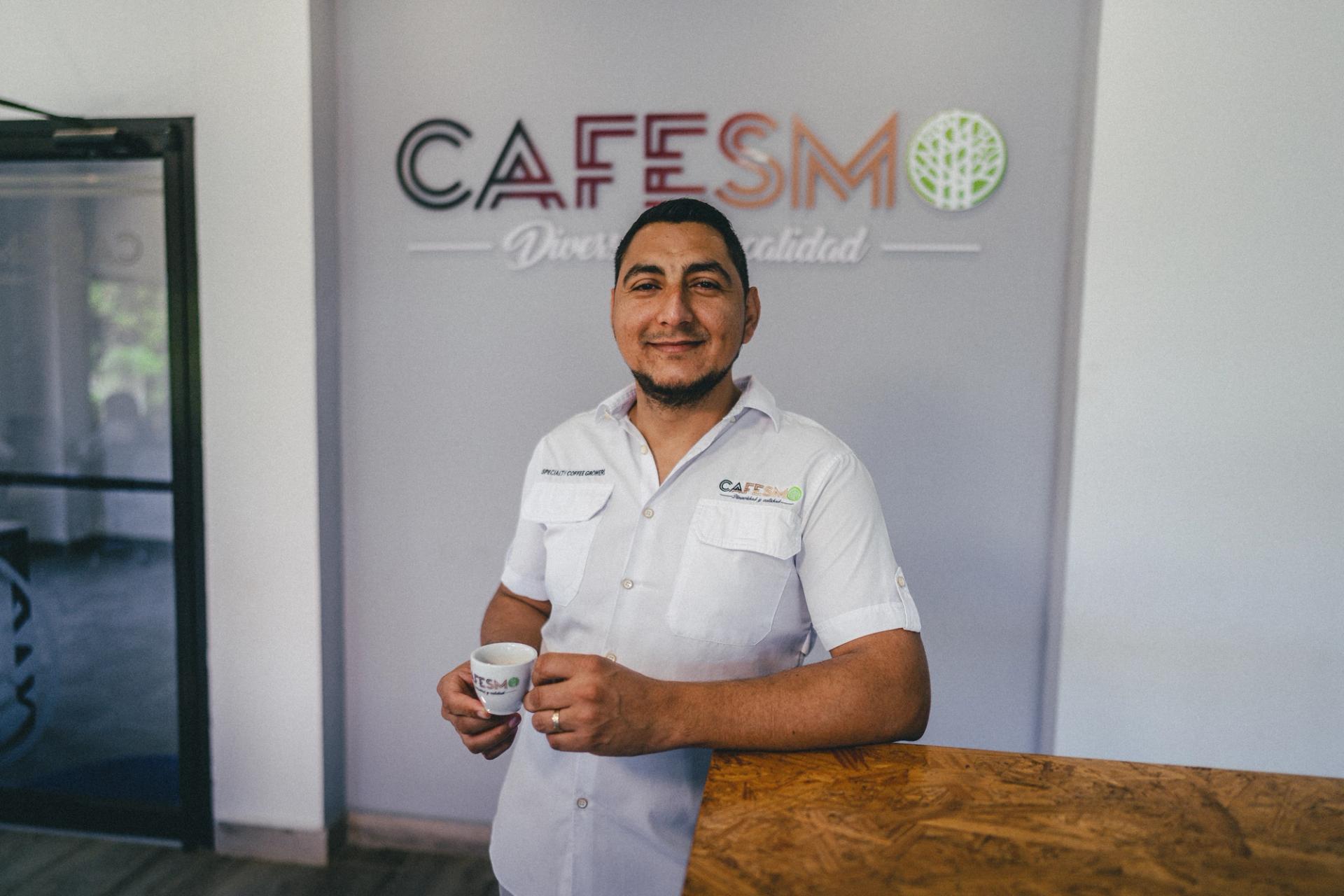
Hidardo Hernández, CAFESMO
Hidardo Hernández is the founder of the CAFESMO Ocotepeque cooperative and a fourth-generation coffee farmer. Coffee has been part of his life since childhood. Together with his mother Delmy Hernández, he runs Finca Cascaritas, where he grows different coffee varieties as carefully crafted microlots.
His work is rooted in ecological and sustainable farming practices. Quality, transparency, and continuous improvement guide everything he does.
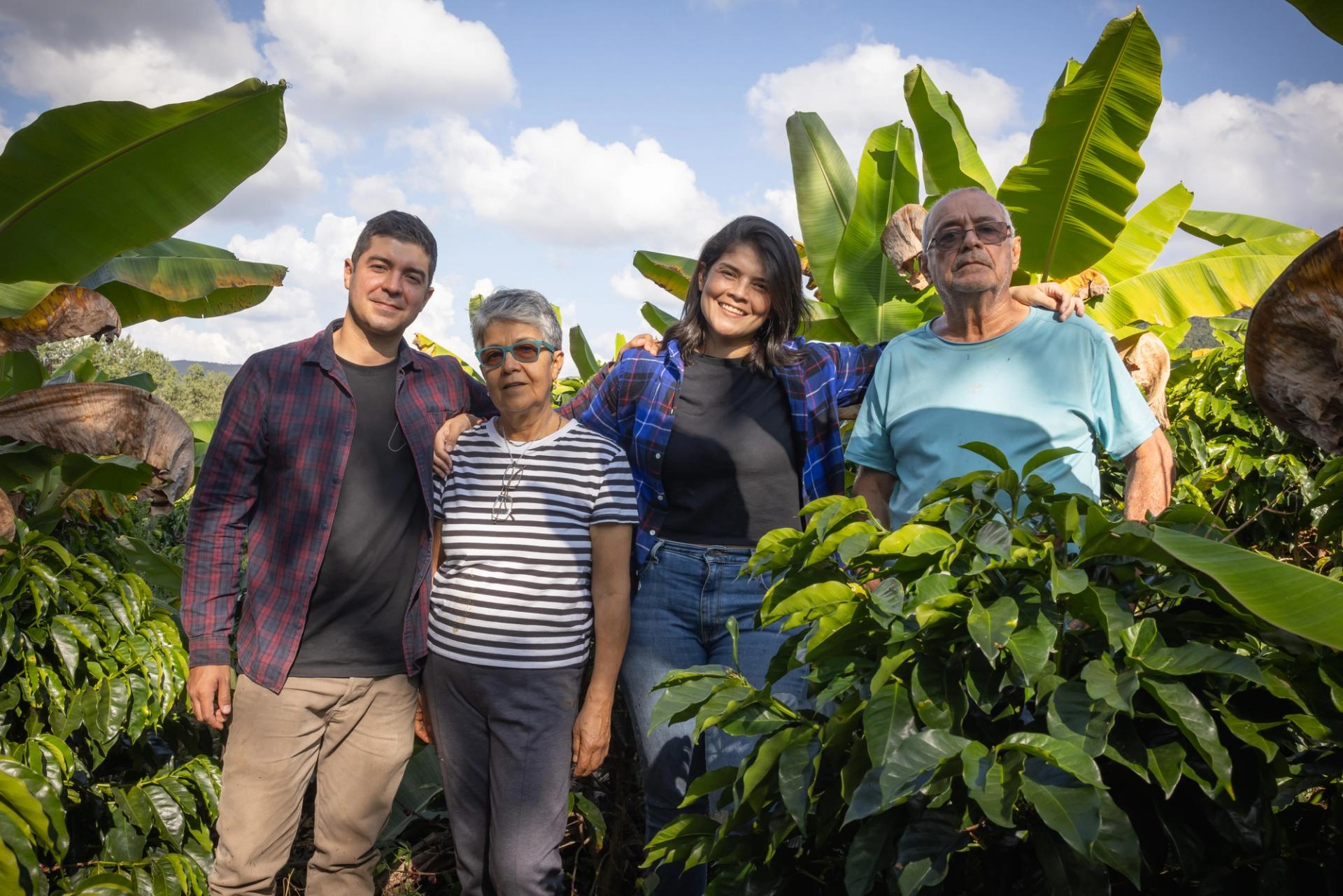
Reyes Family, Hacienda El Rodeo
The Reyes family’s path into coffee is quite unusual compared to many coffee farming families in Colombia. Cristian Reyes’s first professional encounter with coffee was as a barista while studying in England. When his family bought an abandoned estate in 2010, he convinced his parents to use the land for coffee cultivation. Thus, Hacienda El Rodeo was founded in 2011. Their goal: to produce specialty coffee and build a sustainable business based on direct trade.
Washing stations & farms
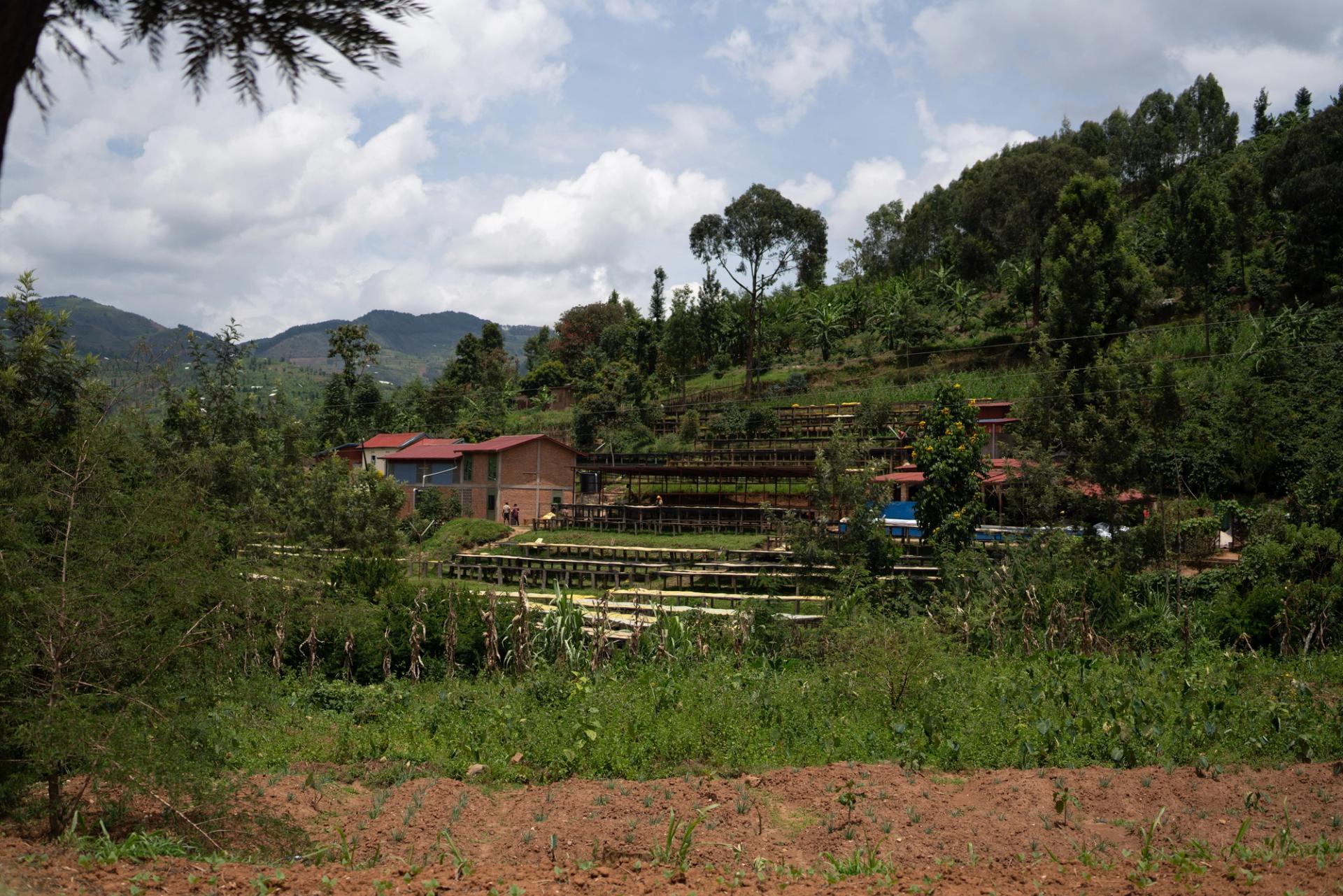
Gitesi Washing Station
The Gitesi Coffee Washing Station is located in the hills bordering Lake Kivu. It processes the coffee cherries from around 1,800 smallholder farmers. The farmers usually grow and pick their coffee cherries and then bring them to the washing station. The washing station then processes the coffee either as a washed coffee, natural, or honey.
To make their operations sustainable, Gitesi has created a comprehensive water purification system for their wastewater. The washing station also has a waste management system and produces organic and natural fertilizer from the pulp of the coffee cherries.
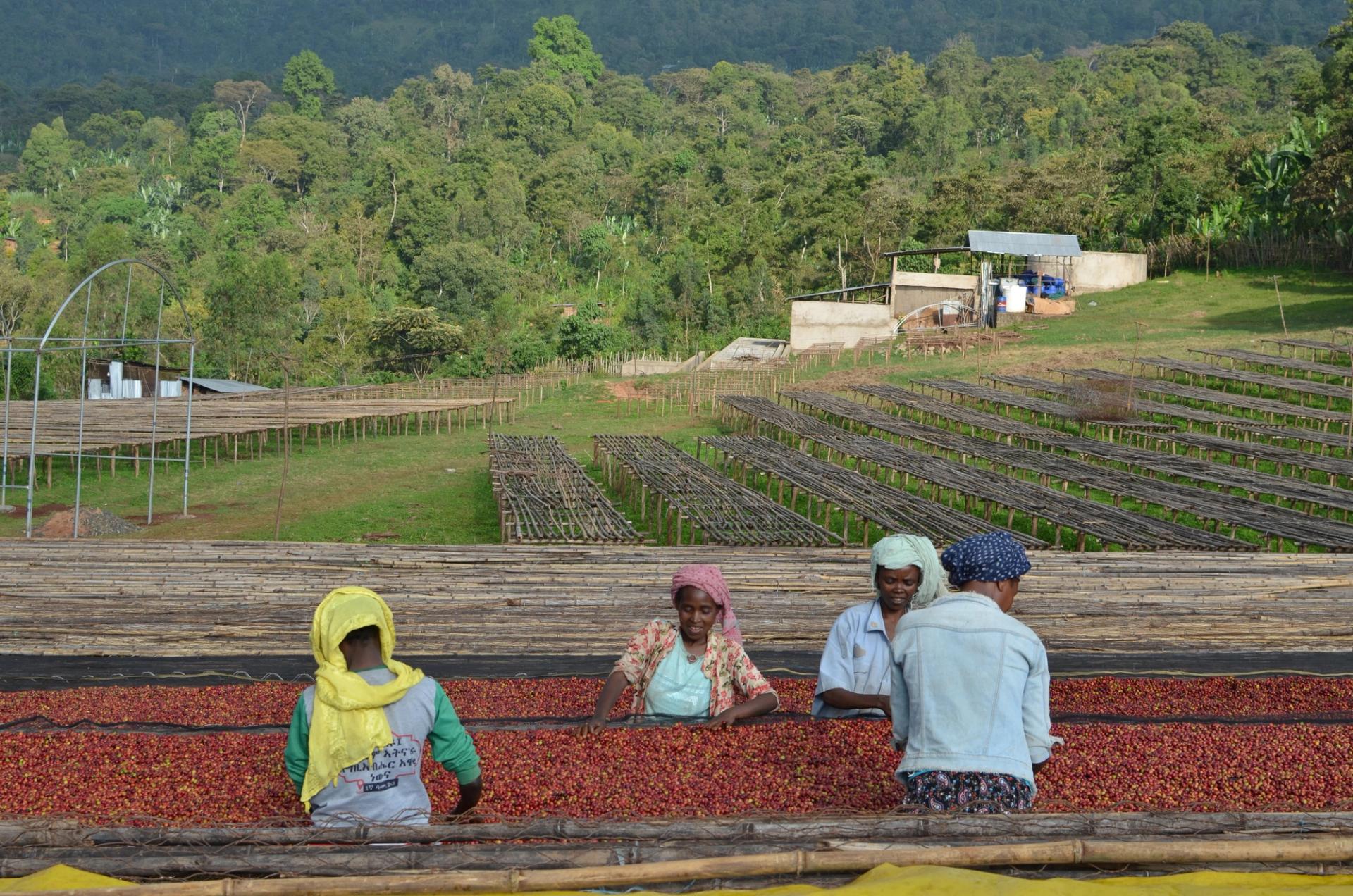
Lensa Gari Station
Coffee in Guji is grown at high elevations in fertile soils under ideal climatic conditions, with cool nights and warm days that promote slow cherry maturation and complex flavor development. Smallholder farmers cultivate coffee on small plots, often intercropped with native trees and food crops, supporting biodiversity and soil health. The region is known for producing coffees with pronounced floral notes, vibrant fruit character, and refined sweetness. These natural conditions, combined with careful processing at Lensa Gari Station, contribute to the distinctive quality and identity of Guji coffees.
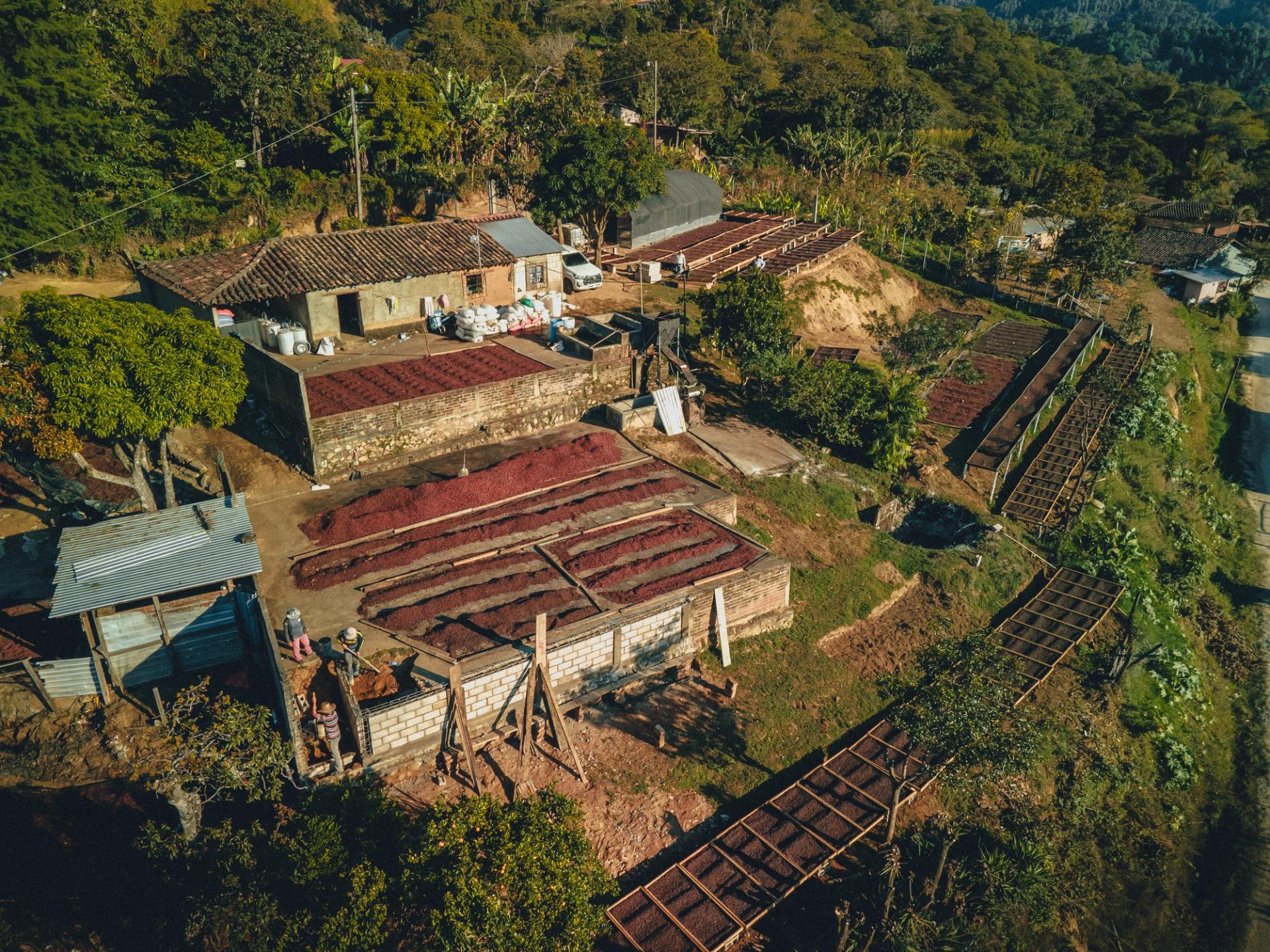
Finca Cascaritas
Finca Cascaritas is the coffee farm run by Delmy Hernández and her son Hidardo Hernandéz. The farm is in Ocotepeque in the mountains of Southern Honduras close to the border to El Salvador. From 1,230 to 1,300 meters altitude, Hidardo and Delmy cultivate different varieties like Parainema, Obata and Bourbon and process them into different micro lots. The farm is Rainforest Alliance certified and produces sustainably and ecologically coffees grown under the shade of hazel pine, guamo, malcinca, and American walnut trees.
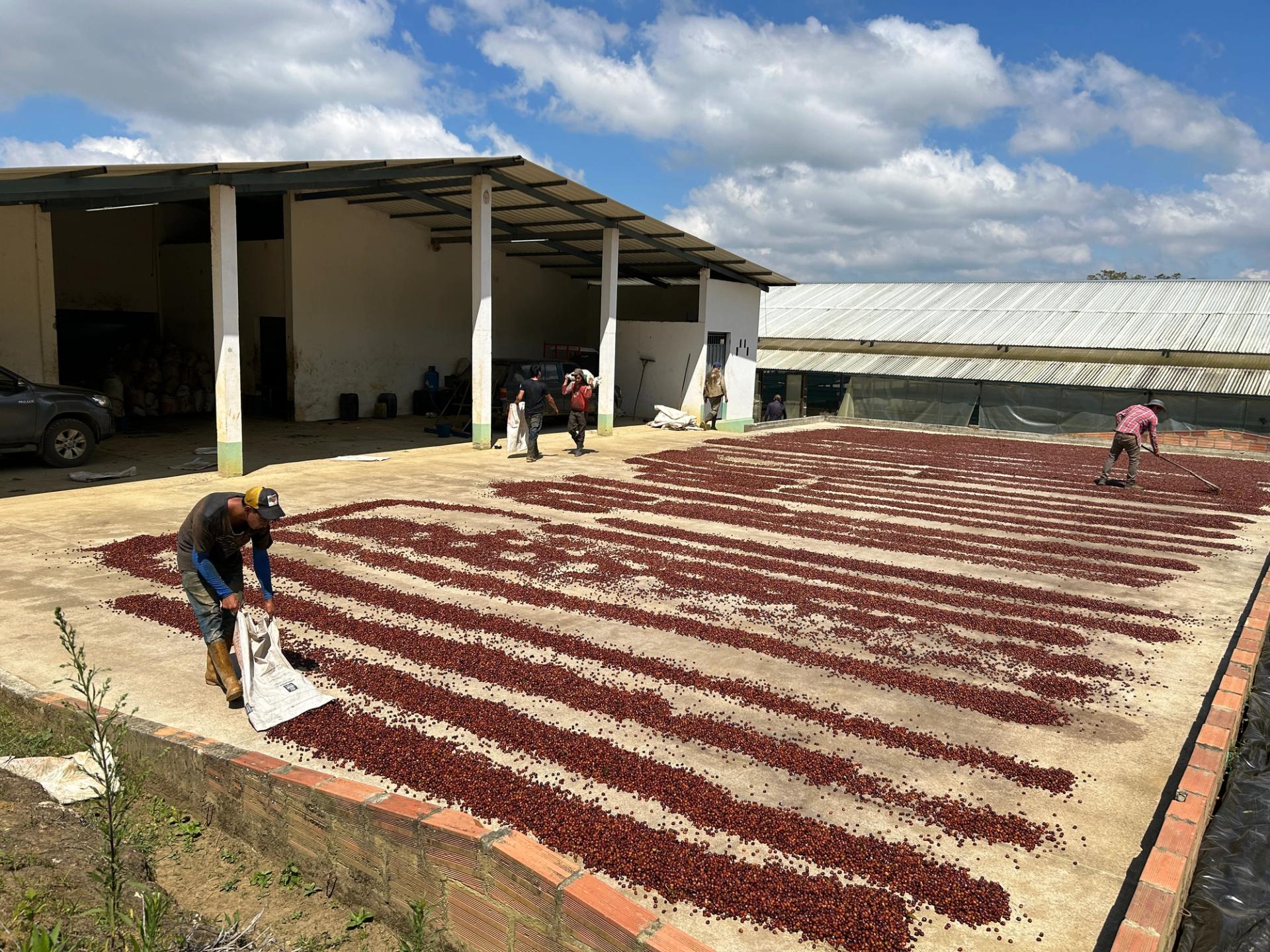
Hacienda El Rodeo
Founded in 2011, Hacienda El Rodeo spans across 165 hectares in Curití, Santander in north-central Colombia and is located at an elevation of 1,900 to 2,200 meters above mean sea level (m.a.s.l.). Around 25 hectares are reserved for nature and wildlife conservation. Native trees from the region and plantain provide shade for the coffee plants. Processing, drying, and storage facilities are located on the farm to ensure grade, hygiene, and traceability. The Reyes Family has achieved some notable prizes, including first place in the 2023 and 2025 national coffee competition, “Colombia: Land of Diversity,” organized by the Colombian Coffee Growers Federation (FNC).