From Farm to Roastery: The Long Journey of Green Coffee
Every bag of Warawul coffee has already traveled thousands of kilometers before it reaches our roastery in Berlin. Here's what actually happens between harvest and arrival: cupping, contracts, packing, months at sea, and the truck that finally brings the green beans to us.

From Farm to Roastery: The Journey of a Coffee Bean
When you open a fresh bag of Gitesi Peaberry or La Colmena, you're holding the end point of a journey that began months earlier on a farm thousands of kilometres away. Between the moment a coffee cherry is picked and the moment we pour green coffee into our roaster in Berlin, a great deal happens: drying, cupping, contracts, and weeks at sea. We wanted to show what that journey actually looks like—using our own real shipments rather than a generic example.
1. It Begins on the Farm
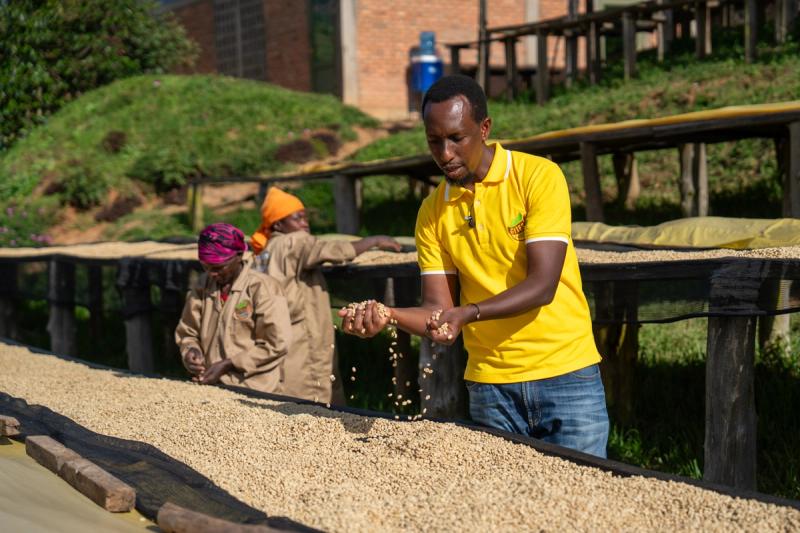
Aimé picks up coffee beans from the drying table. Gitesi Coffee Washing Station, April 2024
The coffee cherries from our specialty coffees are picked by hand over a harvest period of two to three months, depending on the origin. After harvest, the cherries are processed by removing the fruit pulp and pectin layer—using the washed, natural, or honey method, depending on the producer's approach—and then dried to around 11–12% moisture. At this stage, the beans are still enclosed in their parchment layer, a husk around the coffee seed. This parchment remains on the coffee almost until export, protecting the delicate flavor compounds and helping preserve freshness.
This is also where the relationship begins. Coffees like our Gitesi lots come from Aimé Dusabe Gahizi and the Gitesi Coffee Washing Station in Rwanda, where either coffee cherries from many neighbouring smallholder farmers are processed together or come directly from Aimé’s own coffee trees. Others, like La Colmena, come from the monKaaba initiative, a producer-led association of smallholder farmers in San Agustín, Huila, Colombia. El Rodeo Castillo comes directly from the Reyes family's own farm in Curití, Santander. Every structure is different, and each one shapes who we actually trade with.
2. Direct Relationships Instead of Anonymous Exporters
There is no single path for coffee to leave a farm. Some producers, such as the Reyes family or the coffees of Moisés Hidardo Hernández and Rosy Dariela Mancía (CAFESMO in Honduras), are established enough to manage export logistics themselves or through their highly organized cooperative. Others work through a producer initiative such as monKaaba, which negotiates on behalf of its members and coordinates shipping through Semilla Coffee. In Rwanda, Gitesi Coffee itself fulfils this role for both the smallholder coffees and Aimé’s own coffees.
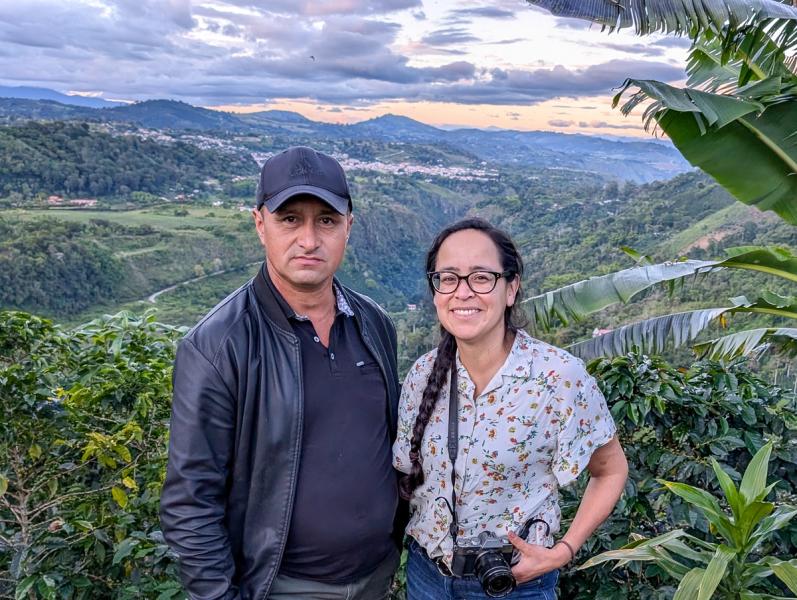
Anabel and Diever, the producer of Las Juntas Pink Bourbon, in San Agustín, Colombia
What all of these coffees have in common at Warawul is that we buy through long-term, direct relationships with a named producer or producer group for every lot. You can see exactly who grew or processed your coffee in our Transparency Report. And throughout the year, you'll also hear directly from many of the producers themselves about how they grow their coffee.
3. The Logistics
As soon as the harvest begins, we speak with our producing partners about the coffees they expect to have available and how much we can purchase. For the microlots they offer, we receive samples, roast them on our sample roaster, and cup them ourselves.
Once we've decided which coffees we want, we agree on the quantities and the producers set their prices. As we're still a relatively small roastery, we can't yet book our own shipping containers. Instead, we use shared containers organised by Algrano.
Algrano enables roasteries and producers with direct trading relationships to handle their logistics together. We reserve the volume we've contracted, and Algrano consolidates these coffees into containers for shipment. This shared logistics model allows even small roasteries like ours to source coffee directly from producers.
4. Packaging for a Journey of Several Months
Green coffee doesn't travel well unless it's properly packed. Traditional jute sacks (typically 60–70 kg) are breathable but provide little protection against changing humidity during a long sea voyage. That's why all of our lots travel inside sealed GrainPro liners placed within the jute bags. These liners prevent the beans from absorbing excess moisture or losing the moisture they need to remain stable.
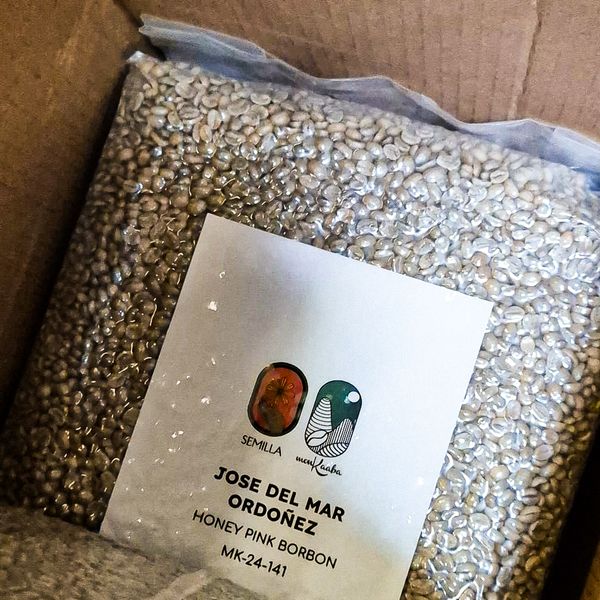
It's a small amount of plastic for a much greater benefit: coffee that tastes the same in Berlin as it did during cupping at origin.
Particularly valuable microlots are additionally vacuum-packed to preserve their aromas as well as possible.
5. Weeks at Sea (and the Occasional Detour)
From the port of origin, the coffee travels by container ship. At our volumes, there simply isn't a faster option that makes economic sense.
From signing the contract to arrival in a German warehouse, our recent lots have generally taken between three and five months in total. This includes drying and preparation at origin as well as the ocean voyage itself, which is typically around four weeks door-to-door once the container has actually departed.
Ethiopia and Rwanda are the exception. Coffee from these origins first has to travel overland to the ports of Mombasa or Djibouti before it can be loaded onto a ship. This additional inland transport to other countries such as Kenya and Djibouti means that shipping alone often takes three to four months.
6. Arrival: Warehousing, Release, and Roasting
The coffee doesn't go straight from the ports of Bremen or Hamburg into our roaster. Instead, it is stored in a specialised warehouse until we're ready to roast it.
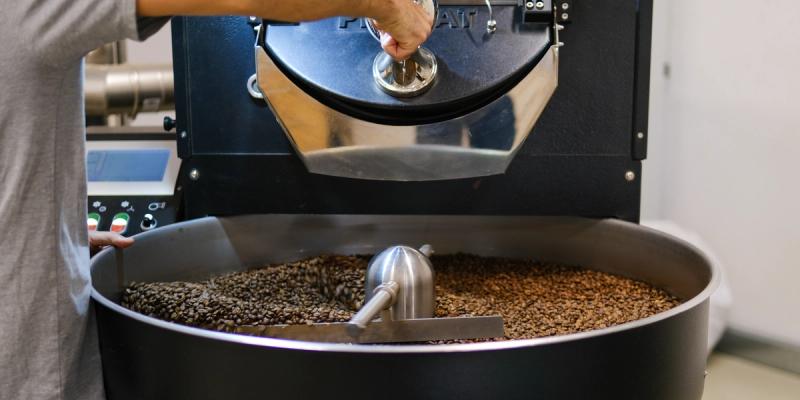
When we need more coffee, we arrange a warehouse release: a specific number of bags from particular lots are collected and transported to our roastery in Berlin. For us, the specialist coffee warehouses operated by B. Vollers in Bremen and Schwarze & Consort in Hamburg are both more economical and better suited for long-term storage than keeping the coffee at our own roastery.
Why the Long Supply Chain Is Worth It
It would be easier—and cheaper—to buy anonymous, pre-blended green coffee from a spot market list. We don't do that because specialty coffee is all about being able to trace every cup back to a specific farm and a specific harvest.
The idea behind Warawul is to give a platform to the people who actually grew the coffee. Their work is what makes specialty coffee possible.
Few products have a supply chain this long while depending so completely on the work done at its very beginning. In that sense, every bag of Warawul coffee is just as much the product of the producers as it is ours.
The next time you brew a cup of Gitesi Gold or El Rodeo Classic, you're tasting the result of a journey that lasted months, crossed an ocean, and involved dozens of people along the way. We think that's worth knowing.
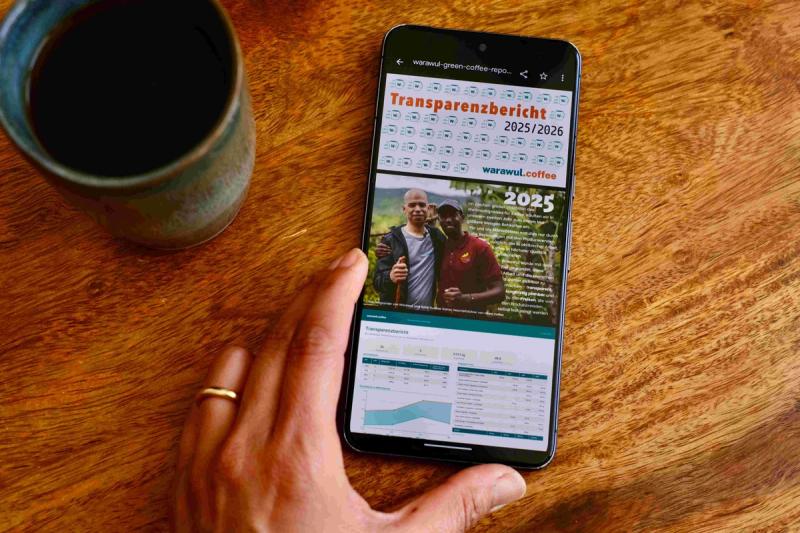
Curious about the prices we actually pay producers? Read our Transparency Report. And if you'd like to meet the people behind the coffee, take a look at our visits to the Gitesi Coffee Washing Station and the monKaaba producer group.